
 Schedule a Service

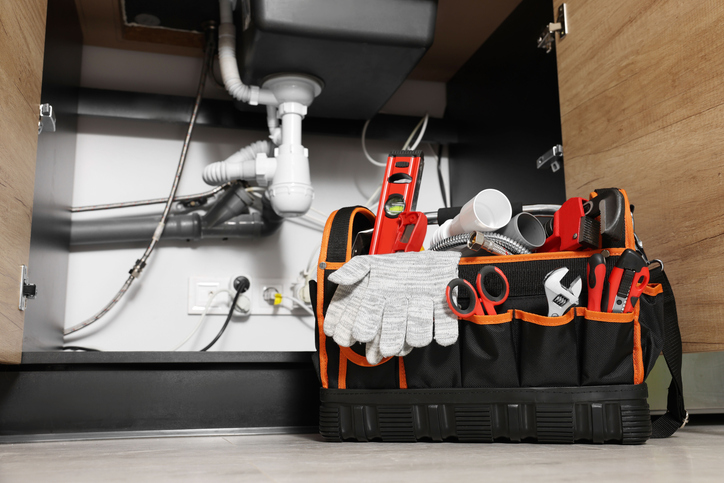
A good plumbing system is based on regular care, clear monitoring, and timely correction of emerging problems. The absence of surprises is a virtue for homeowners in densely populated areas, while plumbing maintenance in Plano, TX, contributes directly to the lifespan by decreasing the load on the vital parts of the system. Small preventive work may serve as a serious prophylactic measure if it is regularly performed and helps a family avoid costly repairs that may dent both the budget and comfort.
Modern plumbing networks operate under a demand that never seems to end, and even tiny inefficiencies lead to serious structural complications if left unattended. The expert insights by ClassicABC underline the fact that wear, buildup, and blockages, when addressed early, help homeowners preserve stable water flow, hence minimizing the chances of leaks beneath floors or inside walls.
Understanding how maintenance affects long-term performance brings clarity and confidence in managing a system that supports the entire home.
1. Check The Fixtures For Early Signs Of Damage
Careful observation of visible fixtures is generally the first line of defense against costly repairs. Faucets, valves, and connectors provide early hints of deterioration in the form of drips, mineral buildup, or irregular flow. A few moments spent inspecting the areas around sinks, tubs, and outdoor spigots go a long way toward helping a homeowner detect these little warnings.
At the second stage of the inspection, attention should shift to directional flow, pressure changes, and unusual sounds during use. Noises that gurgle, bang, or pulse nearly always indicate a pressure imbalance or an internal blockage that needs attention prior to bigger problems developing. Early correction keeps the strain off the pipe network, making for better day-to-day water performance.
2. Elimination Of Any Build-Up Within The Drain
Drain lines naturally accumulate debris, soap residue, and organic material, which reduces the carrying capacity of the pipes over time. Regular clearing will prevent this material from compacting and hardening into blockages further down the system. Cleaning them safely will protect the pipes and restore open pathways for wastewater to move. Appliances such as dishwashers and washing machines also function much more smoothly when the drains are free of buildup.
When the movement of water in the drain slows or when bubbles rise during draining, this indicates that a clog is forming. Early action greatly reduces the possibility of major backups, ones that would require costly repairs. Less significant measures, such as cleaning the trap and removing the superficial debris, keep the drain working well and reduce pressure on the connected lines.
3. The Water Pressure Should Be Monitored To Avoid Long-Term Damage
High water pressure is convenient, but the stress on plumbing materials is great. Continuous operation under excessive pressures weakens joints, hastens wear, and leads to cracked pipes that require considerable replacement. Pressure monitoring with either gauges or periodic checks can give insight into patterns that need adjustment or valve servicing.
If the pressure is too low, it may indicate some buildup or constriction internally inside the supply line. Cleaning or the replacement of these parts returns the line to its normal water flow conditions and prevents the buildup of stress across the network. A balanced pressure ensures good, healthy flow, protecting fixtures against unwanted forces or stresses.
4. Flushing The Water Heater To Remove Sediment Buildup
Over time, sediment will naturally accumulate at the bottom of water heater tanks, which impedes efficient heating and puts added operational stress on the unit. Regular flushing removes this kind of buildup to allow the unit to operate more efficiently and with less chance of overheating. This maintenance method also promotes cleaner water output and extends the life of the heating elements.
This sediment compaction causes noises and temperature inconsistencies that often come before internal damage. Flushing prevents such progression and retains the responsiveness of the system. A well-serviced heater puts less load on the pipes connected with it, thus minimizing the chances of leaks or pressure disturbances throughout the home.
5. Checking For Changes In Moisture Behind Any Hidden Areas Of Plumbing
The worst plumbing problems originate in areas that you cannot see: behind the walls or under the flooring. Small or slow leaks most often show up as moisture spots, warmth, or even a strange damp smell. Early detection avoids structural decay and preserves the electrical components in the floor and surrounding materials.
Routine checks into such hidden zones reveal changes in humidity, signaling the movement of water outside of the confines of the pipes. Such timely concerns, once addressed, protect the overall integrity of the plumbing network. One of the best ways to avoid large repair costs is by preventing small leaks from getting larger.
Conclusion
Proactive care for your plumbing makes it strong, responsive, and dependable. Small changes are more easily fixable before they become bigger failures. Regular attention to your drains, fixtures, heaters, and pressure patterns, together with professional drain and sewer cleaning in Plano, TX, will go a long way toward preserving performance over the long term.
A strategic maintenance routine also contributes to better use of water and protection from structural damage to your home. Consistent upkeep today can save you from extensive repairs later.
Protect your home with ClassicABC’s slab leak detection in Plano, TX. Backed by hands-on experience, we provide dependable solutions to prevent major drain and pipe issues. Call us now for immediate support.