
 Schedule a Service

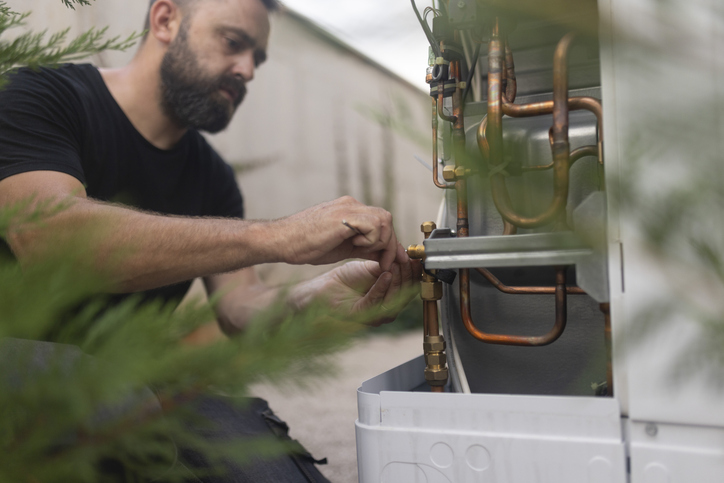
A heat pump works on a combined process: the flow of refrigerant, coil temperature transfer, and compressor regulation. In addition, when there is resistance or imbalance in one part, the whole system starts degrading its performance. Early fixing of these problems spares components from undue stress. Heat pump repair in Plano, TX, is all about detailed diagnostics to spot performance drift before it turns into system damage.
The technical repair strategy must consider pressure levels, electrical readings, airflow paths, and refrigerant behavior. According to ClassicABC specialists, even a minor deviation from normal operation can create ripples throughout the system. Returning these conditions to stability helps the technicians restore reliable function and prevent long-term wear to key parts.
1. Targeted Diagnostics Identify Faults Before They Spread
Precise diagnosis is the key to successful heat pump restoration. Specialized test equipment measures pressure, voltage, airflow levels, and temperature changes in the refrigerant. These test readings provide valuable insight into how each component interfaces with the next. Whenever a compressor or coil starts developing minor irregularities, early detection can prevent a failure from impacting connected parts.
A small refrigerant imbalance or electrical fluctuation, if left unchecked, ripples through and influences sensors, motors, and valves. By reviewing the trends in data, technicians can isolate the source of such a disruption before it grows. This way, the system is spared repeated strain and can operate more smoothly over seasonal cycles.
2. Refrigerant Balancing Protects Compressors Against Overheating
The heat exchange is centered on the refrigerant. When levels fall, pressure within the system rises, and the compressor must struggle harder to cool or lower the temperature. Eventually, this overheats it. Repair approaches involve restoration of appropriate refrigerant levels and searching out the leaks. Such measures protect the compressor from undue stress.
Neglecting a leak means that the compressor has to cycle more frequently; thus, its internal parts start wearing down at an accelerated rate. Proper balancing brings this system back into stable operating conditions. As temperatures moderate and the flow patterns get restored, the compressor goes on with its rhythm without excessive strain, adding years to operational life.
3. Cleaning The Coil Increases The Efficiency Of Temperature Transfer
Coils are responsible for heat absorption and release. Once dirt, pollen, or other residues have settled on the coil surface, heat exchange becomes less complete. The heat pump compensates by running longer and thus straining the motor and power components. Repair strategies include thorough cleaning of coils to restore proper temperature movement.
A clean coil makes the process of heat absorption and release easier. This lower load decreases the burden on the compressor by allowing it to reach set temperatures without having to constantly go through very long, extended cycles. With time, this lowers electrical consumption and eliminates fatigue of the heat pump. Regular coil restoration keeps the entire system running at a more stable level.
4. Restoration Of Airflow Prevents Short Cycling & Component Wear
Other leading causes of short cycling include restricted airflow. When the filters clog or when the blower parts lose their balance, then the heat pump finds it very hard to sustain steady airflow across the coils. This is because it leads to rapid firing on and off of the system, hence wearing down the electrical parts; plus, it increases energy use. The repair methods that can be done include cleaning, blower recalibration, and duct inspection.
Restoring airflow allows the heat pump to run unobstructed through full cycles of heating or cooling. This steadiness reduces vibration, friction, and thermal stress on internal parts. Components that greatly benefit from this balanced airflow environment include the reversing valve, capacitor, and fan motor.
5. Electrical Stabilization Stops Voltage Damage And Irregular Cycling
Comfort systems heavily rely on electrical coordination, loose wiring, worn contacts, and aged capacitors that contribute to unstable power flow. Voltage fluctuations unbalance the system cycle and prematurely wear down its major parts. Strategies for repair then include firming loose connections, replacing weak components, and testing load capacity.
Electrical stabilization also safeguards the thermostat and the control board, which govern temperature commands and execute sequencing operations, respectively. Due to this electrical signal stabilization, the system acts accordingly in a uniform manner without sudden shutdowns. In this respect, it provides a controlled pattern of operation that prolongs the life expectancy of the whole system.
Conclusion
The restorative approach with heat pumps offers long-term benefits in terms of component protection, stable performance, and the avoidance of unnecessary strain. Timely heating service in Plano, TX, stops minor issues from impacting bigger systems inside the unit. Restoring airflow, refrigerant, and electrical balance all add to durable functionality. More focused steps like these mean the heat pump will operate with more consistency throughout the year. Stronger performance with fewer surprise breakdowns is achievable for those homeowners who have the right approach to repairs.
ClassicABC offers furnace installation in Plano, TX, backed by Reliable and dependable solutions and recommended by satisfied customers. Extend system life with expert repair strategies. Contact us to schedule your service today.