
 Schedule a Service

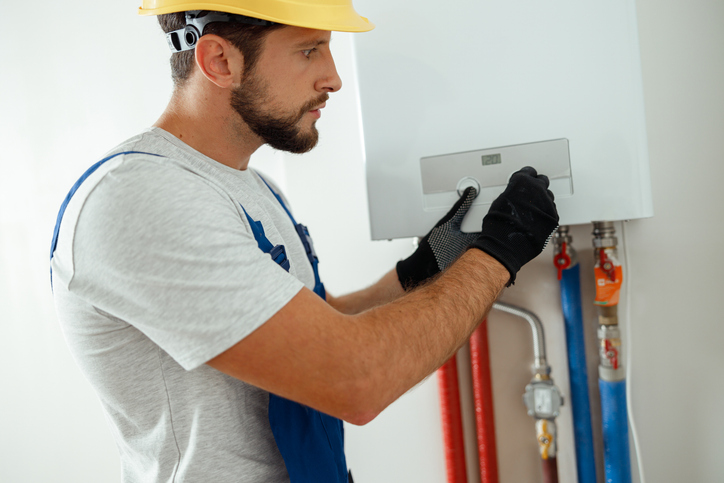
Older heating systems are prone to gradual deterioration of their performance, safety, and energy efficiency. With continuous stress on the burners, heat exchangers, motors, and control boards, the likelihood of component failure mounts over time.
Heating replacement in Plano, TX, solves these problems by installing modern equipment designed to cope with consistent demands without frequent breakdowns. The replacement process takes into account airflow, fuel delivery, system balance, and component durability.
According to ClassicABC experts, these technical factors allow a new system to operate efficiently and reliably, with reduced emergency repairs, hence supporting the steadiness of indoor comfort. Upgrading also provides better control and longer service life than repeatedly patching aging units.
1. Worn Parts Result In Frequent Breakdowns
As the systems get older, the mechanical and electrical parts will deteriorate under continuous cycles of heat and stress. Bearings become less functional, belts wear out, and motors become inefficient. Sensors and control boards give irregular signals. The result is intermittent operation, unusual noise, or uneven heating. Full replacement removes worn components entirely to prevent repeated needs to repair such components and thereby restore consistent performance.
Aging burners and heat exchangers are particularly vulnerable. Cracks, corrosion, or buildups in these elements decrease efficiency and increase the likelihood of failure. Replacing the system provides updated components that can handle continuous operation, minimizing unexpected shutdowns and expensive emergency service calls.
2. Energy Inefficiency Raises Operational Costs
Older systems normally burn more energy to produce the same amount of heat. Worn components, restricted airflow, and outdated controls translate to longer run times and higher fuel or electricity consumption. New replacement systems have design efficiencies in fuel transfer, combustion, and airflow that cut down on operating costs while maintaining consistent heating throughout the house.
Inefficiency may worsen during peak demand periods and result in extra stress on compressors, blowers, and valves. A replacement system would balance the load across all components and help minimize wasted energy and strain. Utility bills savings over time gradually offset the initial cost involved in installing a new heating unit.
3. Safety Risks Increase With System Age
Older systems can develop leaks, cracked heat exchangers, or deteriorating venting that compromise safety. Gas or combustion irregularities in worn systems result in incomplete burning or carbon monoxide hazards. Heating system replacement helps take care of these risks with units featuring updated safety features and durable materials.
Modern equipment features improved sensors coupled with sophisticated control technology that can typically sense abnormal operation early. With improved monitoring, the system acts quickly to prevent overheating, backdraft, or ignition problems. Replacing an older system reduces not only safety hazards but also liability for the homeowner and allows them to enjoy peace of mind through the winter months.
4. Frequent Repairs Are Costlier Than Replacement
Fixing an older system often treats the symptoms, not the wear. As different parts fail, one after another, the service calls pile up, and parts can be increasingly hard to source. As time goes on, these recurring costs can easily exceed what a full replacement would have cost. A new system eliminates costly repair cycles and restores dependable operation.
Replacement also allows technicians to install the latest in efficiency and control technologies. This prevents small problems from becoming major ones and reduces maintenance over a long period. Investing in replacement rather than repeated repairs protects comfort and the heating infrastructure of one’s home.
5. Modern Systems Deliver Better Performance
Newer heating units offer more precise temperature control, quiet operation, and superior airflow management. These all help in consistent comfort levels without overworking the key components of the system. Systems that can be replaced include programmable or smart thermostats, variable speed blowers, and efficient burners that contribute to reliable operation.
Older systems lack these refinements, which can lead to uneven heating and put additional stress on equipment. The upgrade will provide better management of the indoor climate and a reduction of wear and tear on critical parts. Modern performance features combined with updated components translate to a longer-lasting, consistent system.
Conclusion
Older systems develop wear that affects their reliability, efficiency, and even safety. The deterioration of components, coupled with the increasing frequency of repair, raises operating costs. Full replacement restores dependable performance while integrating modern technology. New system investments reduce emergency calls and protect the home environment. Heat pumps in McKinney, TX, ensure long-term stability in comfort and energy savings, complemented by heating system replacement.
ClassicABC offers furnace services in Plano, TX, with experienced professionals and expertise you can count on. Upgrade your heating system for reliable performance, reduced breakdowns, and long-lasting comfort. Call us today.