Schedule a Service


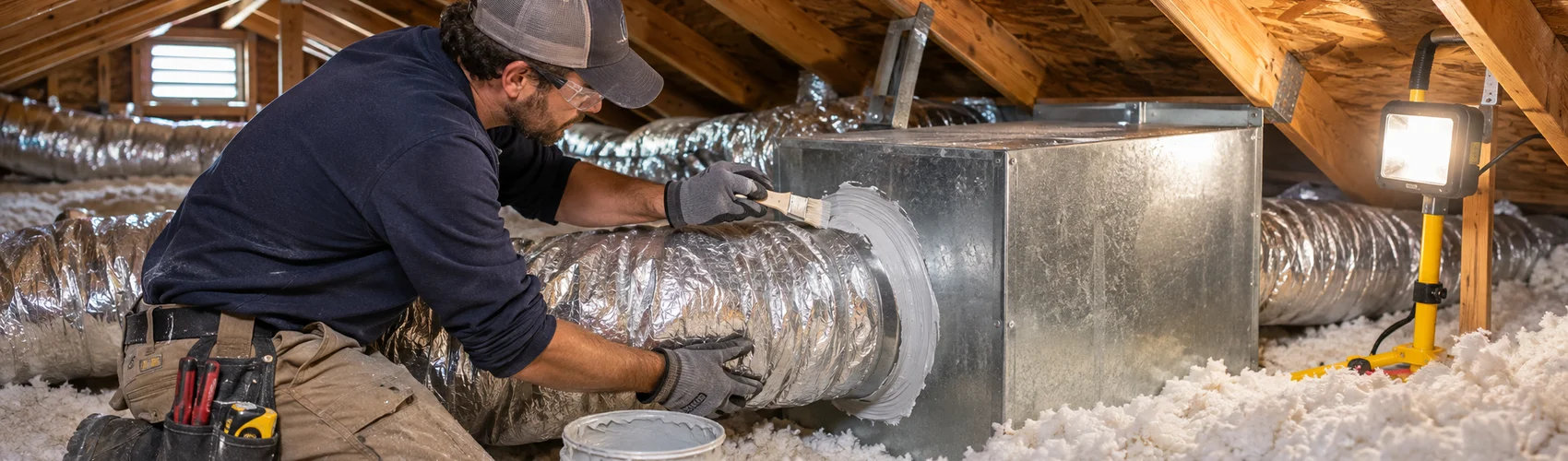
In most McKinney homes, the ductwork runs through the attic, where summer temperatures can climb well above 130 degrees. Every leak, crushed section or loose connection up there means cooled air escapes into the attic, and hot, dusty attic air gets pulled into your system. You can have a brand-new AC and still have hot rooms and high bills if the ducts are not doing their job.
Ductwork problems are easy to miss because you rarely see your ducts. Most homeowners only notice the symptoms: a bedroom that never cools, more dust on the furniture, or an energy bill that keeps creeping up.
ClassicABC Heating & Air repairs and replaces ductwork across McKinney, and our team has more than 40 years of industry experience. Here are seven signs your ducts may need attention, what repair usually involves and how to decide between repair, replacement and cleaning.
1. Some Rooms Are Always Too Hot or Too Cold
Uneven temperatures are the most common sign of duct problems. A disconnected or crushed duct can leave one room with almost no airflow while the rest of the house is comfortable.
Rooms farthest from the indoor unit, rooms over the garage and upstairs bedrooms are the usual trouble spots. If the same rooms are uncomfortable in both summer and winter, ductwork is a likely cause. It is especially common in two-story homes, where one system has to push air through long runs in a hot attic.
2. Your Energy Bills Keep Climbing
Leaky ducts force your system to run longer to reach the same temperature. Studies of typical homes have found that ducts can lose a significant share of the air moving through them through leaks, holes and poor connections.
If your bills are rising without a change in weather, rates or habits, and your equipment has been serviced recently, duct leakage may be part of the reason. Sealing and repairing leaks lets the system deliver more of the air it conditions.
3. More Dust Than Usual
Leaks on the return side of the system can pull in dust, insulation fibers and attic debris. That unfiltered air passes through the system and comes out of your vents.
Signs include:
- Dusting more often than you used to
- Dust collecting around supply vents
- Filters that load up very quickly
- Allergy or asthma symptoms that worsen indoors
If you notice these, have the return ducts and connections inspected.
4. Weak Airflow at the Vents
Low airflow can come from leaks, kinks, crushed flex duct, a collapsed inner liner or a disconnected run. Hold your hand to a few vents in different rooms while the system runs. A big difference in airflow between rooms is a clue.
Weak airflow everywhere can also point to a dirty filter, a dirty coil or a weak blower motor, so a technician should check the whole system before deciding the ducts are the problem.
5. Whistling, Rattling or Banging Noises
Ducts should be relatively quiet. Noises that point to duct issues include:
- Whistling, which often means air is escaping through a gap or the system is pushing air through ducts that are too small
- Rattling at loose joints or hangers
- Popping or banging as metal ducts expand and contract
- Flapping sounds from loose insulation or tape
These noises are worth inspecting, because they often accompany air leaks.
6. Visible Damage in the Attic
If you can safely look in the attic, check for:
- Ducts lying on the floor joists where they can be stepped on or crushed
- Sharp bends or kinks in flexible duct
- Torn or missing insulation wrap
- Tape that has peeled away from joints
- Ducts that have separated at connections
- Signs of rodents, such as chewed insulation or droppings
Take care in the attic. Step only on joists or a walkway, and avoid attic work during the heat of the day.
7. Humidity and Musty Odors
Leaky ducts can pull in humid attic air, which makes the house feel sticky even when the thermostat says it is cool. In some cases, uninsulated or poorly insulated ducts sweat, and condensation drips onto ceilings or into insulation.
Musty smells when the system starts can point to moisture in the ductwork. Persistent moisture can lead to mold growth, so it should be addressed promptly.
What Ductwork Repair Usually Involves
A typical ductwork repair visit includes:
- Inspecting ducts, connections, the plenum and the return
- Reconnecting and sealing loose joints with mastic or approved foil tape
- Replacing crushed, torn or poorly insulated sections
- Supporting sagging ducts so they are not kinked or lying on the attic floor
- Sealing leaks at boots where ducts meet ceiling registers
- Balancing airflow so each room gets the air it needs
When ducts are old, badly damaged or were never sized correctly, full duct replacement may make more sense than patching. A technician can explain which approach fits your home.
Questions to Ask About Your Ductwork
- Where are the biggest leaks in my system?
- Is repair enough, or should sections be replaced?
- Are my ducts sized correctly for my AC and furnace?
- Is my return airflow adequate?
- Will sealing my ducts lower my energy bills?
- Should I have my ducts cleaned while you are working on them?
Repair, Replace or Clean?
These three services solve different problems:
- Repair fixes leaks, disconnections and localized damage.
- Replacement makes sense for ductwork that is old, undersized, poorly installed or failing in many places.
- Cleaning removes dust and debris from inside the ducts, but it does not fix leaks.
Many homeowners combine repair with cleaning for better airflow and better indoor air quality. When replacing an AC or furnace, it is also a good time to evaluate the ductwork so the new system performs as designed.
What Affects the Cost of Ductwork Repair
- How much ductwork needs repair or replacement
- Attic access and working space
- Type of duct, such as flexible duct or sheet metal
- Insulation requirements
- Whether airflow balancing or new returns are needed
Why McKinney Ducts Wear Out
Extreme Attic Heat
Summer attic temperatures break down tape, adhesives and insulation wrap over time.
Attic Traffic
Holiday decorations, storage and service work can crush or disconnect ducts.
Age
Many homes built in the 1990s and 2000s still have their original flexible ductwork.
Pests
Rodents can chew through flexible duct and insulation.
Get Ductwork Repair in McKinney From ClassicABC
ClassicABC Heating & Air finds and fixes duct problems so your system delivers the comfort you are paying for.
- Clear diagnosis: We find the cause before recommending a fix.
- Upfront pricing: You approve the scope and price before work begins.
- Savings: 10% off for veterans, senior citizens and teachers on eligible services, plus financing for eligible customers through Synchrony.
Call 214-310-2665 or schedule online. You can also learn more about our duct replacement and air duct cleaning services.
Frequently Asked Questions About Ductwork Repair in McKinney, TX
How do I know if my ducts are leaking?
Hot or cold rooms, more dust, weak airflow and rising bills are common signs.
How long does ductwork last?
Flexible ductwork often lasts about 15 to 25 years, depending on installation and attic conditions.
Can duct repair lower my energy bills?
Sealing leaks helps your system deliver more of the air it conditions, which can reduce run time.
Is duct tape good for sealing ducts?
Standard cloth duct tape breaks down quickly in attic heat. Mastic or approved foil tape lasts much longer.
How long does ductwork repair take?
Most repairs are completed in a few hours. Larger replacements can take a day or more.