Schedule a Service


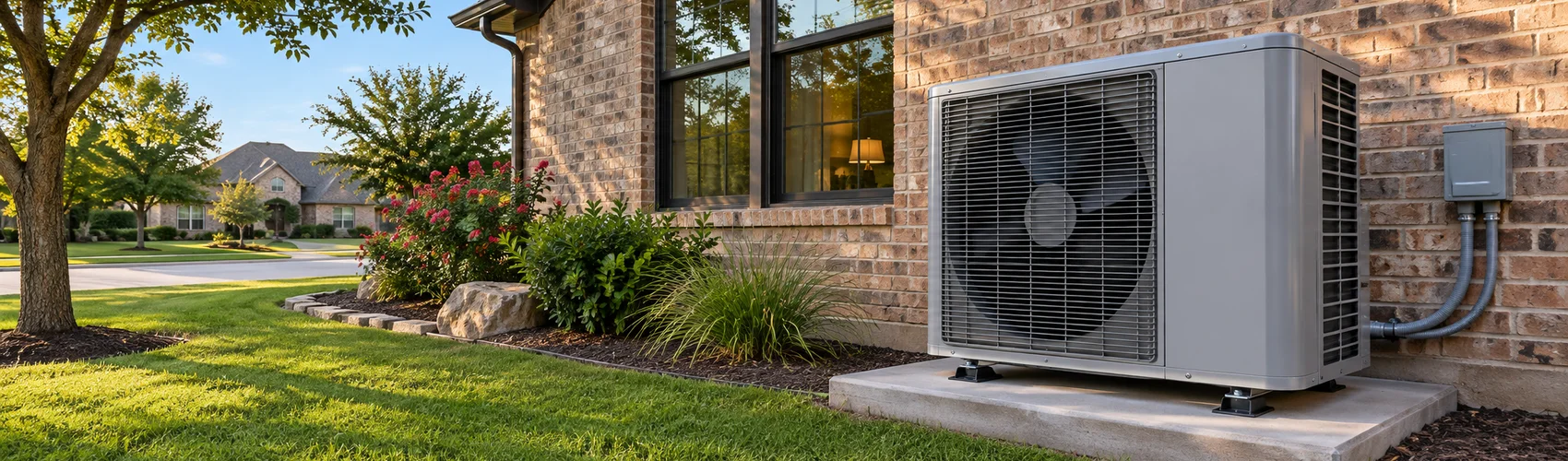
A heat pump does double duty in a McKinney home. It cools through long, hot summers and heats through short but sometimes sharp winters. Because it runs nearly year-round, it tends to wear out sooner than a gas furnace that only works a few months a year.
When it is time to replace a heat pump, the decisions you make affect your comfort and energy bills for the next decade or more. Size, efficiency, backup heat and the condition of your ductwork all matter. So does the question of whether a heat pump is still the right choice for your home.
ClassicABC Heating & Air replaces heat pumps across McKinney, and our team has more than 40 years of industry experience. Here are seven things worth knowing before you choose a new system.
1. The Signs That Replacement Is Near
Most heat pumps last about 10 to 15 years in North Texas. Signs that yours is near the end include:
- Frequent repairs, especially to the compressor, reversing valve or outdoor fan motor
- Refrigerant leaks in an older system
- Rising electric bills in both summer and winter
- A system that struggles to keep up on hot days and cold nights
- Heavy reliance on backup heat strips in winter
- Loud operation or unusual noises from the outdoor unit
A compressor failure on a heat pump that is more than 10 years old is often the turning point, since the compressor is the most expensive part of the system.
2. Older Systems May Use Phased-Out Refrigerant
Many heat pumps installed before 2010 use R-22 refrigerant, which is no longer produced in the United States. The remaining supply is limited and expensive.
If an R-22 system develops a significant leak or a compressor failure, the cost to repair and recharge it can approach the cost of a new system. Newer heat pumps use refrigerants that are currently available and designed for modern efficiency standards. If your heat pump uses R-22, it is worth planning for replacement before a major failure.
3. Sizing Matters More Than Brand
A heat pump that is too large cools the house quickly but shuts off before it removes enough humidity, leaving the home cool but clammy. It also turns on and off more often, which wears parts faster. A heat pump that is too small runs constantly and may not keep up on the hottest and coldest days.
A proper load calculation looks at your home's square footage, insulation, windows, sun exposure, ceiling heights and ductwork. Do not assume the old system was sized correctly; many were not. Getting the size right has a bigger effect on comfort than the brand name on the unit.
4. Efficiency Ratings Affect Both Seasons
Heat pumps have two efficiency ratings:
- SEER2 measures cooling efficiency.
- HSPF2 measures heating efficiency.
Higher numbers mean lower operating costs. Because a McKinney heat pump spends most of its time cooling, the cooling rating has the bigger effect on your annual bills. But the heating rating matters too, especially for all-electric homes.
Higher-efficiency systems cost more upfront. The right balance depends on how long you plan to stay in the home, your energy rates and your comfort goals.
5. Backup Heat Still Matters in North Texas
A heat pump moves heat from the outdoor air into your home. As outdoor temperatures drop well below freezing, it has less heat to work with. Many heat pumps rely on electric heat strips in the indoor unit or a gas furnace for backup on the coldest nights.
Ask how your new system will handle extreme cold. Options include properly sized heat strips, a dual-fuel system that pairs a heat pump with a gas furnace, or a cold-climate heat pump designed to work at lower temperatures. Events like the February 2021 freeze showed how important dependable backup heat can be in North Texas.
6. Variable-Speed Systems Improve Comfort
Single-stage heat pumps run at full speed or not at all. Two-stage and variable-speed models can run at lower speeds for longer periods.
The benefits include:
- More even temperatures between rooms and floors
- Better humidity removal in summer
- Quieter operation
- Fewer on-and-off cycles
- Lower energy use in many homes
They cost more upfront, but many homeowners notice the difference in comfort right away, especially in two-story homes.
7. Replacement Is a Chance to Fix Other Problems
Replacing a heat pump is the ideal time to address issues that affect performance:
- Inspect and seal leaky ductwork in the attic
- Replace or clean the refrigerant line set if needed
- Upgrade to a thermostat designed for heat pumps
- Improve air filtration
- Correct condensate drainage and add safety switches
- Level and secure the outdoor unit pad
Fixing these at the same time helps the new system perform as designed and protects your investment.
Questions to Ask Before Replacing Your Heat Pump
- Will you do a load calculation?
- Should I stay with a heat pump or switch to an AC and furnace?
- What backup heat will the system use?
- Does my indoor unit or coil need to be replaced too?
- Will the refrigerant line set be replaced or reused?
- What warranty covers the equipment and the installation?
- Is financing available?
Heat Pump or AC and Furnace?
Many McKinney homes have an AC and a gas furnace, while others are all-electric with a heat pump. Either can work well.
A heat pump can be a good fit for all-electric homes and for homeowners who want one system for heating and cooling. An AC and gas furnace can make sense where gas is available and the homeowner prefers hotter air from the vents in winter. A dual-fuel system combines both. We explain the trade-offs clearly so you can choose what fits your home.
What Affects the Cost of Heat Pump Replacement
- System size and efficiency ratings
- Single-stage, two-stage or variable-speed operation
- Indoor air handler replacement
- Backup heat strips or dual-fuel setup
- Line set, electrical and drainage updates
- Ductwork repairs
Why McKinney Homes Wear Out Heat Pumps Faster
Year-Round Operation
A heat pump runs for cooling most of the year and for heating in winter, so it accumulates more hours than a furnace.
Long, Hot Summers
Months of high temperatures put heavy load on the compressor and outdoor fan.
Occasional Hard Freezes
Sudden deep cold forces the system to defrost often and rely on backup heat.
Attic Air Handlers
Indoor units in hot attics face extra stress on motors, coils and drains.
Get Heat Pump Replacement in McKinney From ClassicABC
ClassicABC Heating & Air helps you choose the right heat pump for your home and installs it with care.
- Clear diagnosis: We find the cause before recommending a fix.
- Upfront pricing: You approve the scope and price before work begins.
- Savings: 10% off for veterans, senior citizens and teachers on eligible services, plus financing for eligible customers through Synchrony.
Call 214-310-2665 or schedule online. You can also learn more about our heat pump services in McKinney.
Frequently Asked Questions About Heat Pump Replacement in McKinney, TX
How long do heat pumps last in North Texas?
Most last about 10 to 15 years, since they run for both cooling and heating.
Can I replace only the outdoor unit?
Sometimes, but matching the indoor and outdoor components usually gives better efficiency and reliability.
Is financing available?
Yes. Financing is available for eligible customers through Synchrony.
Do heat pumps work during North Texas freezes?
Yes, with properly sized backup heat. Cold-climate and dual-fuel systems handle extreme cold even better.
How long does heat pump replacement take?
Most replacements are completed in one day. Larger changes can take longer.