
 Schedule a Service

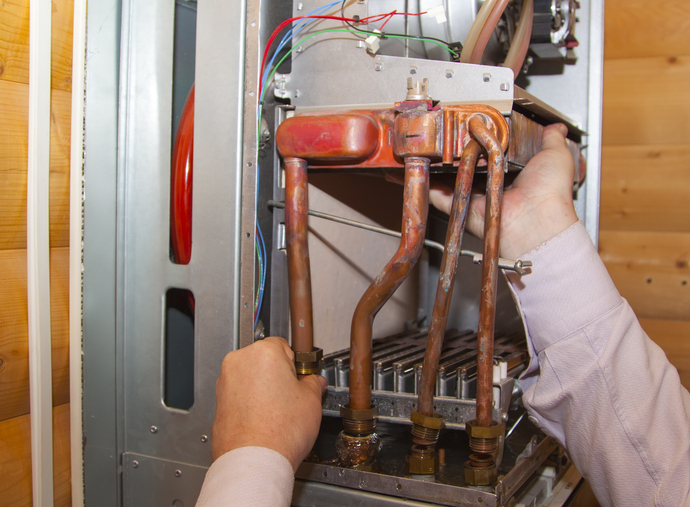
A modern heating system relies on the exact interaction of burners, motors, sensors, and airflow components. Any one of these stressed or debris-laden parts runs a high risk of malfunction. Timely heating maintenance in McKinney, TX, minimizes this risk by putting great emphasis on early performance checks and condition-based service.
Maintenance also contributes to stable operations by finding signs of strain that develop during seasonal use. According to the experts at ClassicABC Heating & Air, small irregularities in the pattern of ignition, airflow resistance, or electrical readings signal deeper issues. The addressing of these at an early stage saves the system from extensive wear and unexpected shutdowns.
1. Early Detection Protects Vital Components
Routine checks help identify debris, wear marks, and loose fittings that can put pressure on critical parts. Technicians often notice unusual vibration, temperature fluctuation, or restricted airflow well in advance of the homeowner noticing anything. When these small markers are dealt with in time, motors, heat exchangers, and burners operate under reduced stress. Proper cleaning and recalibration also support accurate readings from sensors and switches. This attention prevents a gradual decline from turning into a breakdown.
The value of this early oversight becomes apparent during peak winter demand: already-strained parts struggle through the long heating cycles. Particles and dust buildups or a deteriorating blower wheel can create an internal heat imbalance in the system. Early maintenance keeps these problems from getting worse under heavy load. Through restoring proper alignment and unclogging obstructed channels, the system maintains its normal function throughout the colder months.
2. Heat Exchangers Are Protected Against Stress Cracks
The heat exchanger is one of the most sensitive parts of a heating system. Small shifts in temperature caused by restricted airflow or irregularities within the burner put intense stress on the metal surface. This can, over time, cause cracks that could compromise safety and performance. Regular maintenance reduces such temperature swings by keeping airflow smooth and combustion consistent.
As soot, dust, and residue build up inside the burner chamber, heat patterns that differ from normal operations occur across the exchanger.
This type of nonuniform exposure hastens deterioration. When these deposits are cleaned off and combustion is returned to optimal levels, the exchanger operates under stable thermal conditions. Timely care lowers the possibility of costly heating replacement in Frisco, TX, while maximizing life expectancy for the whole unit.
3. Blower Components And Motors Avoid Performance Overload
Blower motors operate constantly during heating cycles and tend to be subjected to friction-based wear. A motor will consume more energy and heat up faster as dirt accumulates around the bearings or the blower wheel becomes unbalanced. Maintenance visits clean these blockages and balance the moving parts once again. Consequently, it reduces the stress applied through wiring, bearings, and internal windings.
A properly operating blower also provides proper distribution of heat. Since airflow declines, the furnace cycles longer while elevating internal temperatures, putting additional and unnecessary pressure on several components, including the control board and high limit switch. Timely cleaning and lubrication prevent overload, maintaining stability in the system and reducing the risk of shutdown.
4. Electrical Components Remain Protected
Safety and operation all depend on electrical boards, switches, and wiring. Even a slightly loose connection could result in intermittent power loss or irregular ignition. A maintenance visit involves the testing and tightening of these electrical points, looking out for the weak points. This protects sensitive boards from short circuits or voltage fluctuations that may take place.
The change in seasons often brings about other common issues, such as corrosion. When terminals are exposed to moisture, their weakness restricts correct signal flow. Where corrosion is cleaned on time, the furnace responds with continued ignition, correct sensor feedback, and steady burner operations. Minor electrical upsets cannot bring the entire system down.
5. Ensure Burners Are Kept Clean
Long usage causes a buildup of residue inside the burners. This interferes with flame patterns, creating incomplete combustion. When the system runs the burners in such conditions, it causes irregular heating and an inability to hold constant temperatures. Regular cleaning restores proper ignition alignment and supports safe flame behavior.
Consistent burner performance also protects the flame sensor and ignitor. In instances where the flame is weak or inconstant, these parts turn on time after time and wear down sooner. Timely care also keeps the area in which the burner resides clean, allowing components associated with it to function without undue stress. This reduces the frequency of repairs and prevents mid-season breakdowns.
Conclusion
Timely maintenance gives the boost that heating systems require to avoid unnecessary failures. It decreases the stress on costly parts and assists in working under balanced conditions. Small issues are resolved before taking their toll on motors, burners, and sensors. This type of servicing brings back reliability during peak seasonal demand. Homeowners become more assured about their system’s stability and durability with consistent care.
Protect your system with ClassicABC Heating & Air’s top-rated professionals. Schedule furnace maintenance in Plano, TX, with certified specialists today. Call us for expert service that prevents breakdowns and extends equipment lifespan.